

Get Help When Your Tooth Hurts
When something suddenly feels wrong with your teeth or gums, you should not have to wait days for help.
If you are dealing with sudden tooth pain, swelling, or a dental injury, our team is here to help you get the care you need. Dr. Asadi and Dr. Brownlee provide prompt emergency dental care focused on relieving pain and identifying the cause.
.png)
.webp)
.webp)

When Should I Call And What Should I Do?
Some dental problems can wait a few days. Others should be addressed right away. If you are experiencing severe tooth pain, swelling, bleeding that will not stop, a broken or knocked-out tooth, or signs of infection, contact our office as soon as possible so we can guide you on the next steps.
A knocked-out tooth: Handle the tooth by the crown and avoid touching the root. If the tooth is dirty, gently rinse it with water without scrubbing it. If possible, place the tooth back into the socket. If that is not possible, store it in a container of milk and call our office immediately.
Swelling or significant tooth pain: Apply a cold compress to the outside of your cheek to help reduce swelling. You may take an over-the-counter pain reliever if it is appropriate for you, and avoid chewing on the affected side of your mouth until you are seen.
A broken tooth: Rinse your mouth gently with warm water to keep the area clean. If you can find any pieces of the tooth, bring them with you to your appointment.
The sooner you are seen, the more options we typically have to relieve your discomfort and restore your tooth.
Did you know…

If you lose a tooth, place it in cold milk while you head to your emergency appointment. Source: Mayo Clinic
Ready to
schedule your appointment?
Making Space for a Healthier Smile
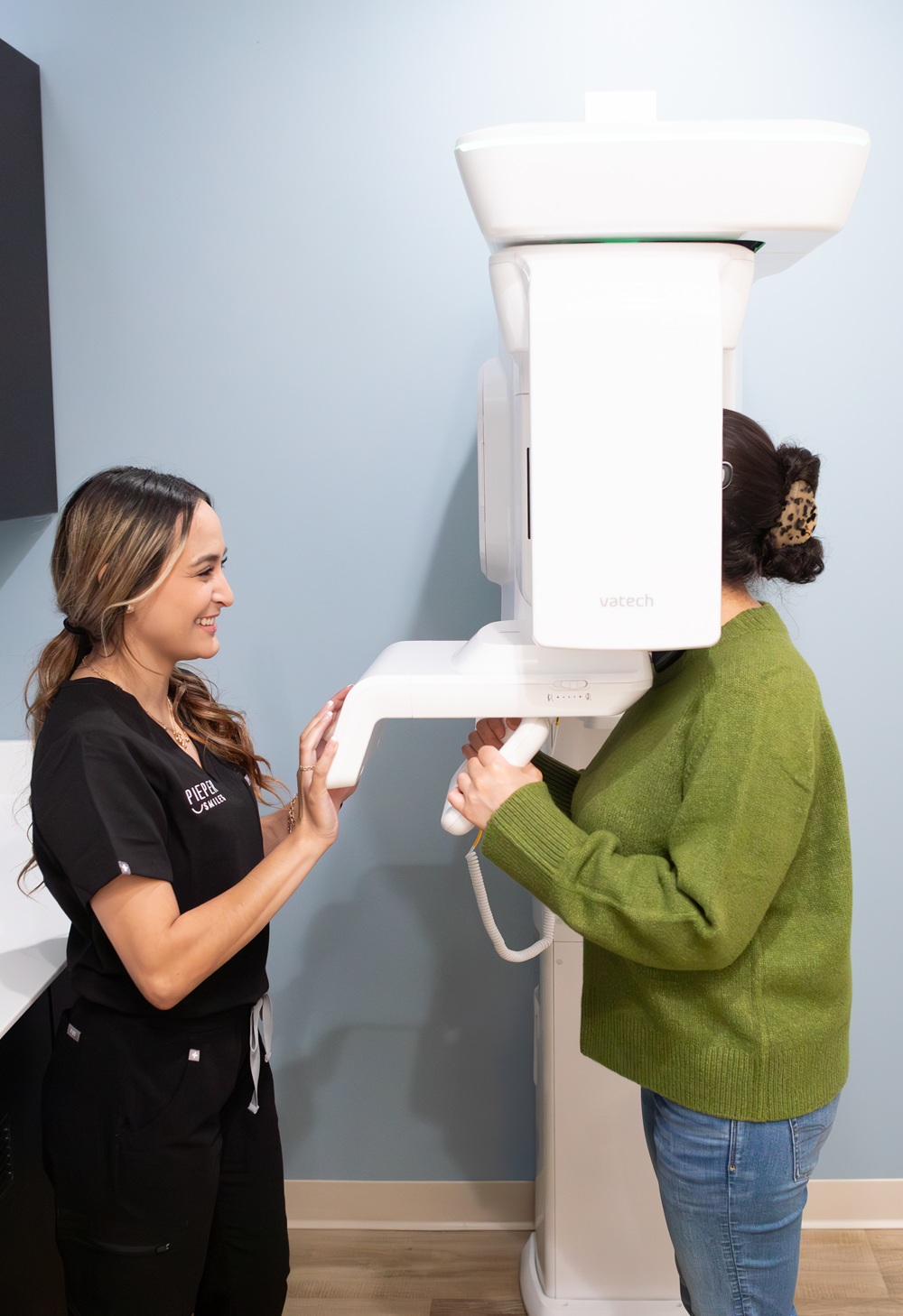
Tooth Pain Diagnosis
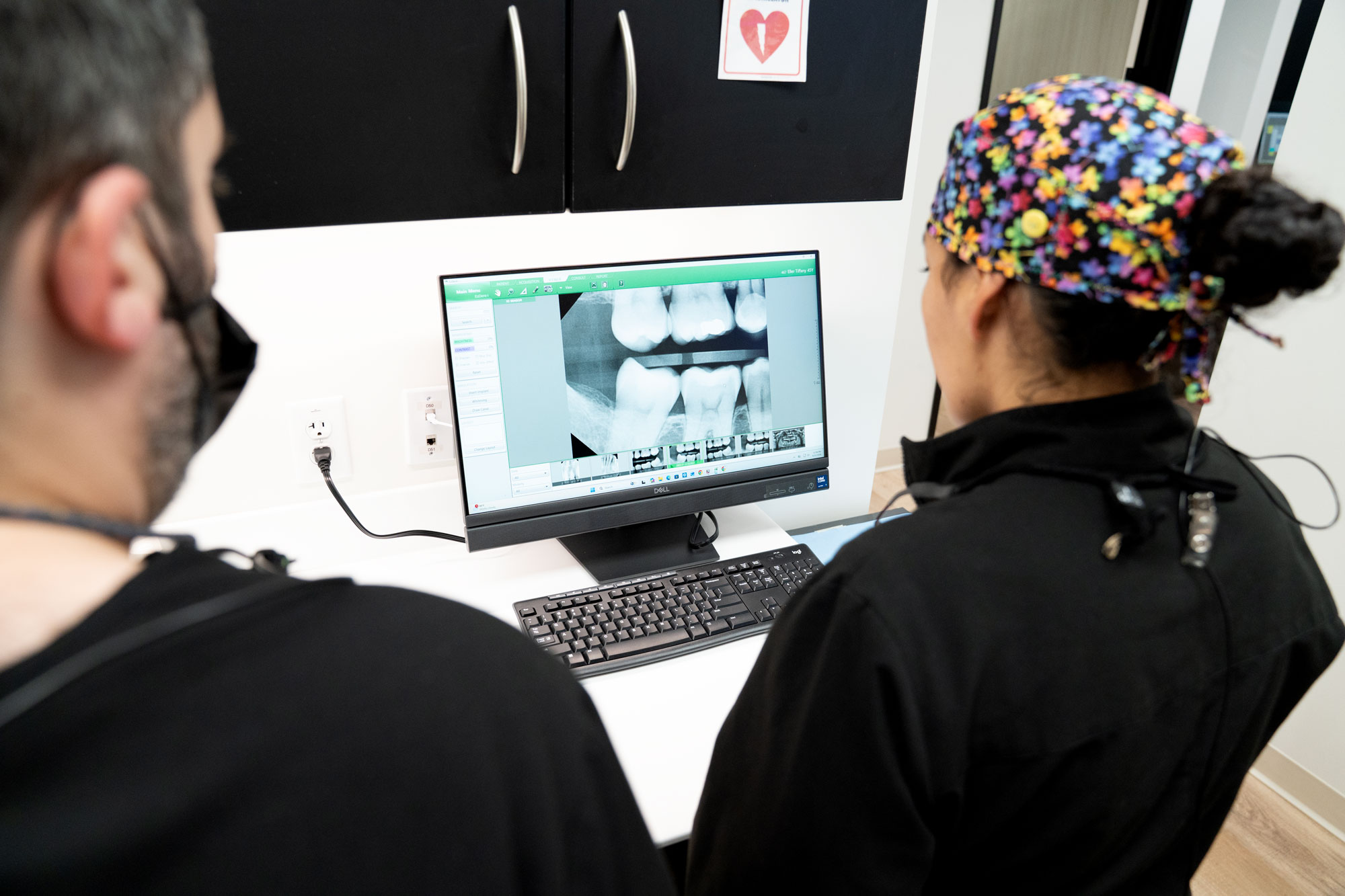
Sudden tooth pain often signals infection, decay, or damage inside the tooth. We perform an emergency exam and X-rays to identify the cause and recommend the best treatment.
Wisdom Tooth Emergencies
Painful or impacted wisdom teeth can lead to swelling, infection, and difficulty opening your mouth. Our team performs wisdom tooth extractions in-house so you can receive care without unnecessary delays.
Broken Or Damaged Teeth
A cracked or broken tooth can expose sensitive areas of the tooth and lead to severe discomfort. Depending on the situation, treatment may involve bonding, a crown, or another restorative solution.
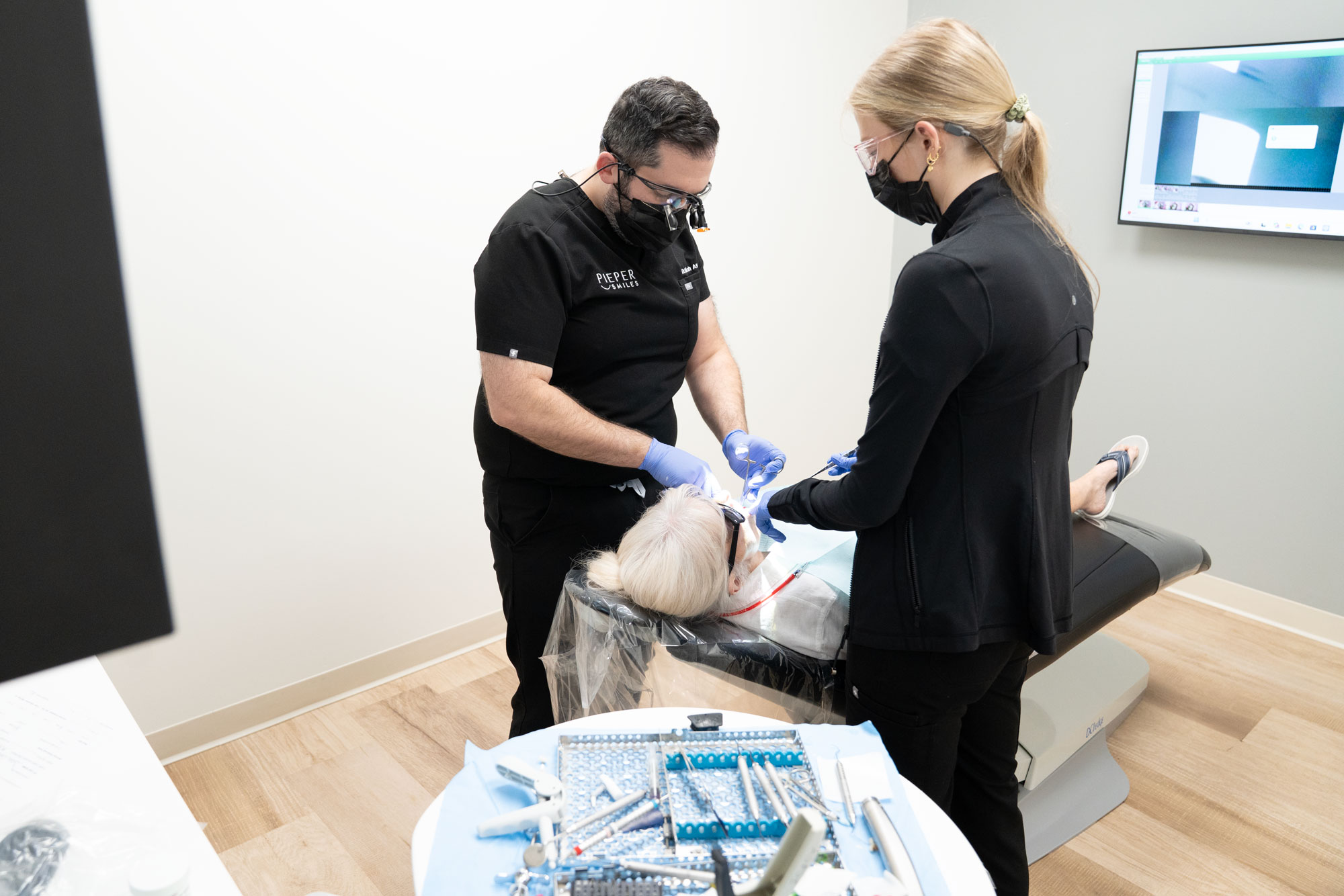
Surgical Care When Needed
Because Dr. Asadi and Dr. Brownlee perform surgical procedures in-house, many urgent situations can be treated right here. This allows us to manage complex dental emergencies without sending you somewhere else.
Dental Infections
Infections can spread quickly and should be treated promptly. Our team will address the infection, relieve pressure and discomfort, and create a plan to restore your oral health.

In-House Treatment
Get the treatment you need right away, without waiting on a referral. We provide comprehensive dental care all under one roof, including root canals and oral surgery, so you can get out of pain and back to smiling!
The Benefits of Emergency Dentistry
Say Goodbye to Pain
There’s no need to let pain hold you back any longer. Discover effective solutions to relieve your pain and regain control of your life.
Reclaim Your Confident Smile
Don't let dental issues keep you from smiling with confidence. Restore your bite and transform your smile with our expert dental services.
Stop Complications in Their Tracks
Leaving dental emergencies alone can escalate them into more serious problems. Take proactive steps now to prevent further complications and safeguard your oral health.
Find a solution to your dental emergency
No one plans to have a dental emergency, and that’s why we offer affordable emergency dental exams, so you don’t need to wait to get the care you need to relieve your dental pain.
What do I do in a Dental Emergency?

Keep Calm & Reduce Bleeding
Any dental mishap can transform a routine day into a stressful, discomforting ordeal. But remember, it's essential to remain calm - your dentist is here to assist you. Simply inhaling deeply and evaluating the situation can significantly improve your decision-making during an emergency. If any bleeding occurs due to your dental injury, use a sterile strip of gauze to apply pressure on the affected area. Hold the gauze in position until the bleeding ceases, or until you get to our office.

Control Swelling & Pain
You can temporarily lessen any pain or swelling you might be experiencing using over-the-counter pain relievers like ibuprofen or acetaminophen. But, avoid aspirin and similar blood-thinning medicines, as they could hamper clot formation and make it harder to halt bleeding. Besides medication, a cold compress can also offer pain relief. Apply an ice pack to the cheek or lip near the affected area.
Call Us Right Away
Once you've gotten a handle on your dental emergency, give us a call right away. Even if you're not certain whether your situation is an emergency, our team is here to help evaluate the injury's seriousness and get you into our office for the necessary care as soon as possible.
Before & Afters
A smile is worth 1,000 words.
Frequently Asked Questions
What should I do if I’ve knocked out a tooth?
%402x%20(2).svg)
If you've accidentally knocked out a tooth, it's important to act quickly to increase the chances of saving it. First, carefully pick up the tooth by the top (crown) and avoid touching the root. Rinse it gently with warm water to remove any debris, being careful not to scrub or rub it. If possible, try to place the tooth back into its socket without forcing it. If it doesn't go back in easily, store it in a container of cold milk and contact us immediately for guidance and to ensure we are prepared for your visit. Time is of the essence, as the tooth needs to be replaced and splinted within 1-2 hours to avoid further damage.
Will I be in pain after my extraction and how long does it take to heal?
Your extraction is only the beginning of the healing process. Thanks to local anesthesia and available sedation options, most of our patients are surprised by how comfortable treatment feels. As the numbness wears off, you may notice some soreness around the extraction site. This is a normal part of recovery and should gradually improve over the days that follow.
Most extractions heal within one to two weeks. Following your aftercare instructions and sticking to softer foods for the first several days can help support healing and keep your recovery on track. If something doesn't feel right or your discomfort seems to be getting worse instead of better, our team is only a phone call away.
What should I do about a severe toothache?
If you're experiencing a severe toothache that lasts for 2 or more days, it could indicate a tooth infection, which requires immediate attention. Contact us without delay to schedule an appointment. In the meantime, you can manage the pain by applying a cold compress to your cheek, taking over-the-counter pain medication, or using a topical product like Orajel to numb the tooth. However, it's crucial to seek professional dental care to address the underlying cause of the toothache and prevent further complications. Root canal therapy may be necessary to save the tooth.
What should I do about a chipped, broken or cracked tooth?
If you have a chipped, broken, or cracked tooth, it's essential to seek professional dental care as soon as possible. Without a thorough examination, it's difficult to determine the severity of the damage. Leaving such issues untreated can lead to infections and additional complications that could have been prevented. Contact us immediately to schedule an appointment and allow us to assess the extent of the damage. We will provide guidance and recommendations on how to restore and protect your smile, as well as alleviate any dental pain you may be experiencing.
What should I do about a loose tooth?
If you have a loose tooth due to a dental injury, it's crucial to contact us right away to schedule a same-day appointment. Leaving a loose tooth untreated can result in the nerves supporting the tooth dying, leading to its loss. To maintain stability, avoid touching the loose tooth with your tongue or fingers. When you arrive at our office for emergency care, your dentist will attach the loose tooth to the adjacent teeth with a stabilizing splint. This splint will provide support and initiate the healing process, allowing the tooth to reattach itself to your gums. Don't hesitate to reach out for our help – we are here to assist you in preserving your tooth.

Let’s Get to Know Your Smile
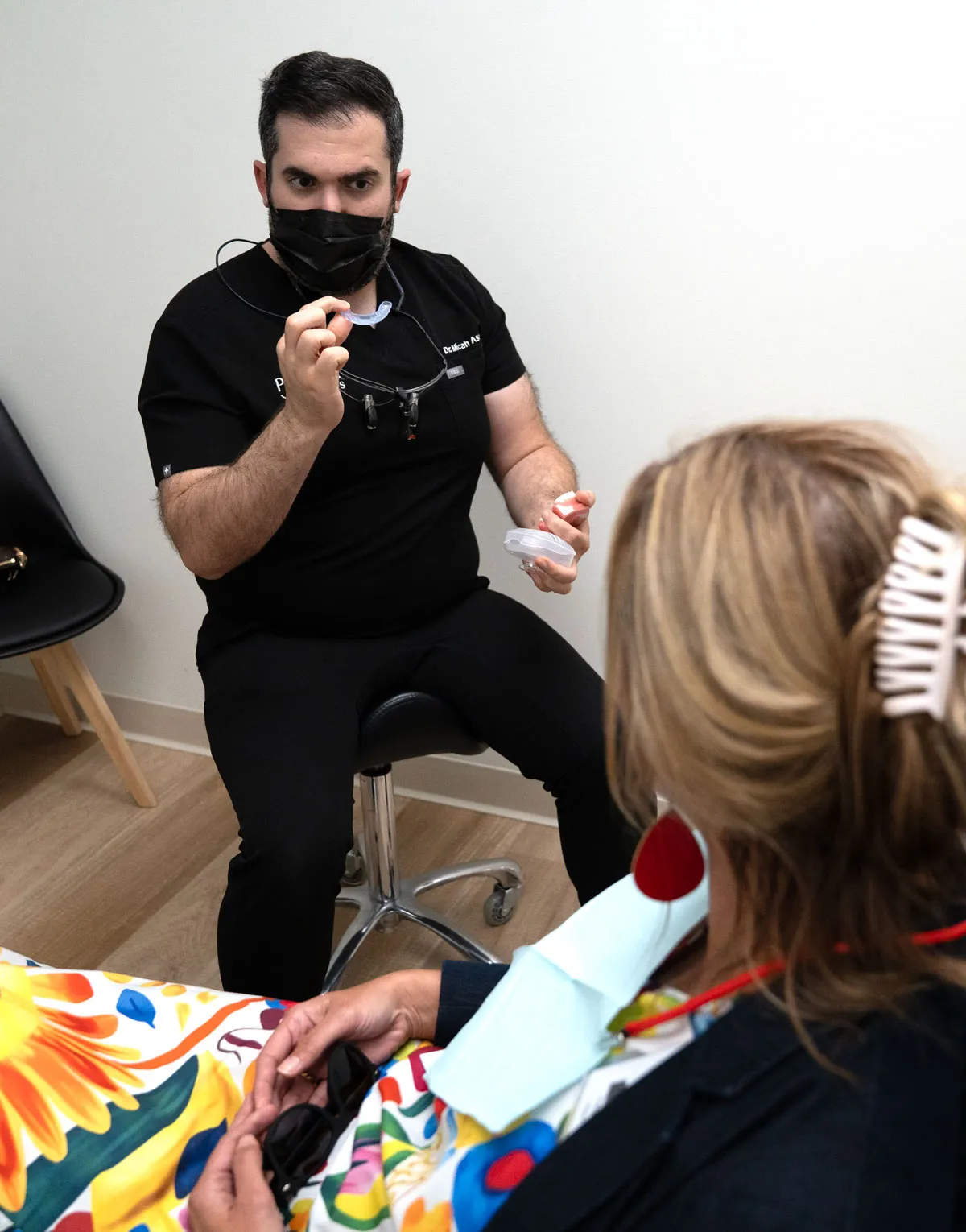
Whether it’s been six months or six years since your last visit, we are ready to help you move forward without judgment. Step out of the clinical rush and into a practice where you are treated like a neighbor, not a number.